
Glycoscience selected to participate in B-Venture 2026
Glycoscience has been selected among more than 700 applications to be part of the 25 finalist startups participating in the 11th edition of B-Venture We are pleased to announce that Glycoscience has been selected among more than 700 applications to be part of the 25 finalist startups participating in the 11th edition of B-Venture, one […]
Glyco-Protec® has officially received regulatory approval for commercialization in Italy

We are excited to share an important milestone: Glyco-Protec® has officially received regulatory approval for commercialization in Italy, widely considered the most demanding market in Europe for mosquito repellents. This achievement is the result of a long and rigorous process, during which our documentation was thoroughly reviewed with no issues. Glyco-Protec® is now approved as […]
Glycoscience’s participation in the CPHI Frankfurt 2025 international trade show has been a resounding success for the company
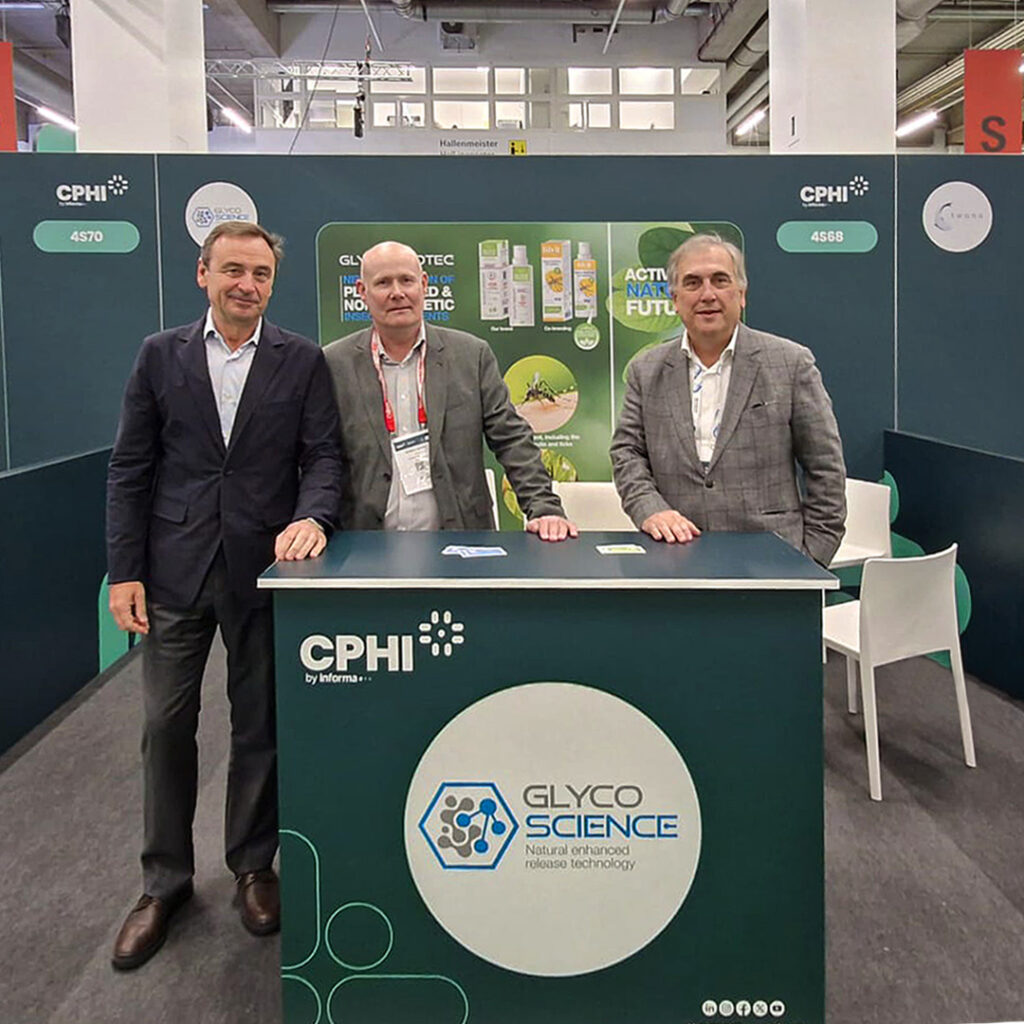
During this key international event for the pharmaceutical industry, our team presented the latest innovations in controlled-release technologies applied to natural products, with a special focus on our insect repellents with certified efficacy exceeding 12 hours. The presentation attracted strong interest from international distributors and potential strategic partners, resulting in a significant number of high-value […]
Glycoscience will be at CPHI Frankfurt 2025

We’re excited to announce that Glycoscience will be exhibiting at CPHI Frankfurt 2025—the leading international event for professionals in the pharmaceutical industry. We’ll be showcasing our latest innovations and biotech solutions. 📅 October 28–30, 2025📍 Booth 4S68 – Messe Frankfurt, Germany It’s a great opportunity to explore how our biotechnology is helping build a healthier, more sustainable, […]
The Impact of Synthetic Pesticides on Biodiversity and the Need for Natural Solutions

A global analysis published in Nature Communications, which reviews over 1,700 studies on the impact of pesticides in terrestrial and aquatic ecosystems, reveals an alarming conclusion: synthetic pesticides negatively affect a wide range of organisms, from pollinators to birds and essential soil microorganisms. According to the report, products such as insecticides, herbicides, and fungicides not only […]
Florida’s Citrus Industry Faces Unprecedented Challenges – Glycoscience Advocates for Natural Solutions
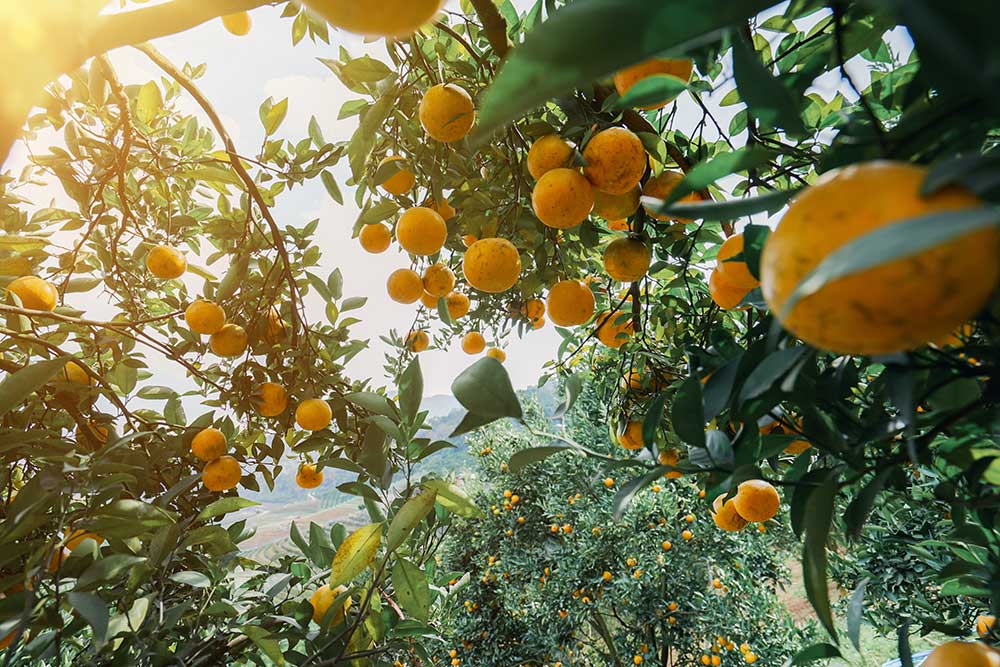
Florida’s citrus industry, historically a cornerstone of the state’s economy, is facing unprecedented challenges that threaten its sustainability. Over the past two decades, orange production has dropped by nearly 90%, primarily due to the devastating impact of citrus greening, a bacterial disease caused by HLB (Huanglongbing), worsened by the increasing frequency of hurricanes in the […]
The Rising Challenge of Herbicide-Resistant Weeds and the Need for Sustainable Solutions

A recent article in The Wall Street Journal highlights a growing issue in modern agriculture: the increasing resistance of weeds to conventional herbicides. As a result, farmers are expanding their use of chemical herbicides to combat so-called «superweeds,» leading to higher costs and potential environmental concerns. The Problem: The Need for Innovation:This growing challenge underscores […]
Report Finds High Levels of Pesticides in 20% of Fruits, Veggies
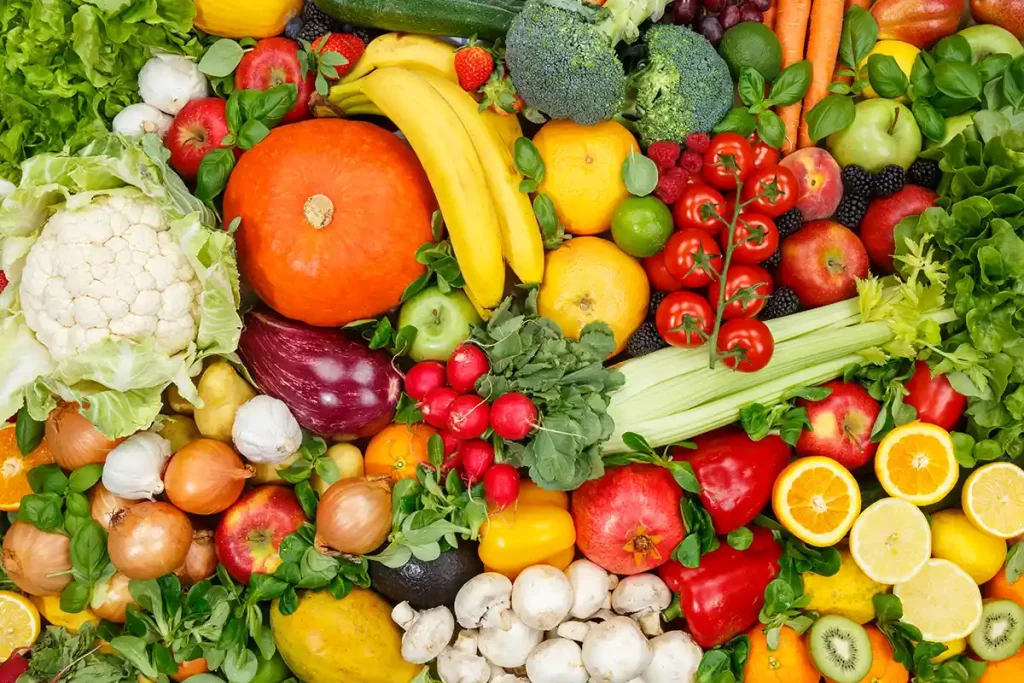
A recent report highlights a concerning issue in modern agriculture: high pesticide levels in commonly consumed fruits and vegetables. According to the findings, 20% of tested produce contained pesticide residues at levels exceeding safety standards, raising potential health and environmental concerns. Key Findings from the Report 🍎 Fruits with the highest pesticide levels: Apples, grapes, […]
Fighting Pierce’s Disease: A Major Challenge for Vineyards

Pierce’s Disease is one of the most serious threats to vineyards, especially in warm and humid regions. Caused by the bacterium Xylella fastidiosa, this disease blocks the water-conducting vessels of grapevines, leading to leaf scorch, fruit loss, and eventual plant death. How Pierce’s Disease Spreads The disease is primarily transmitted by sap-feeding insects known as […]


